The Eight Zodiac Guardians: Which Buddha Protects Your Birth Year?
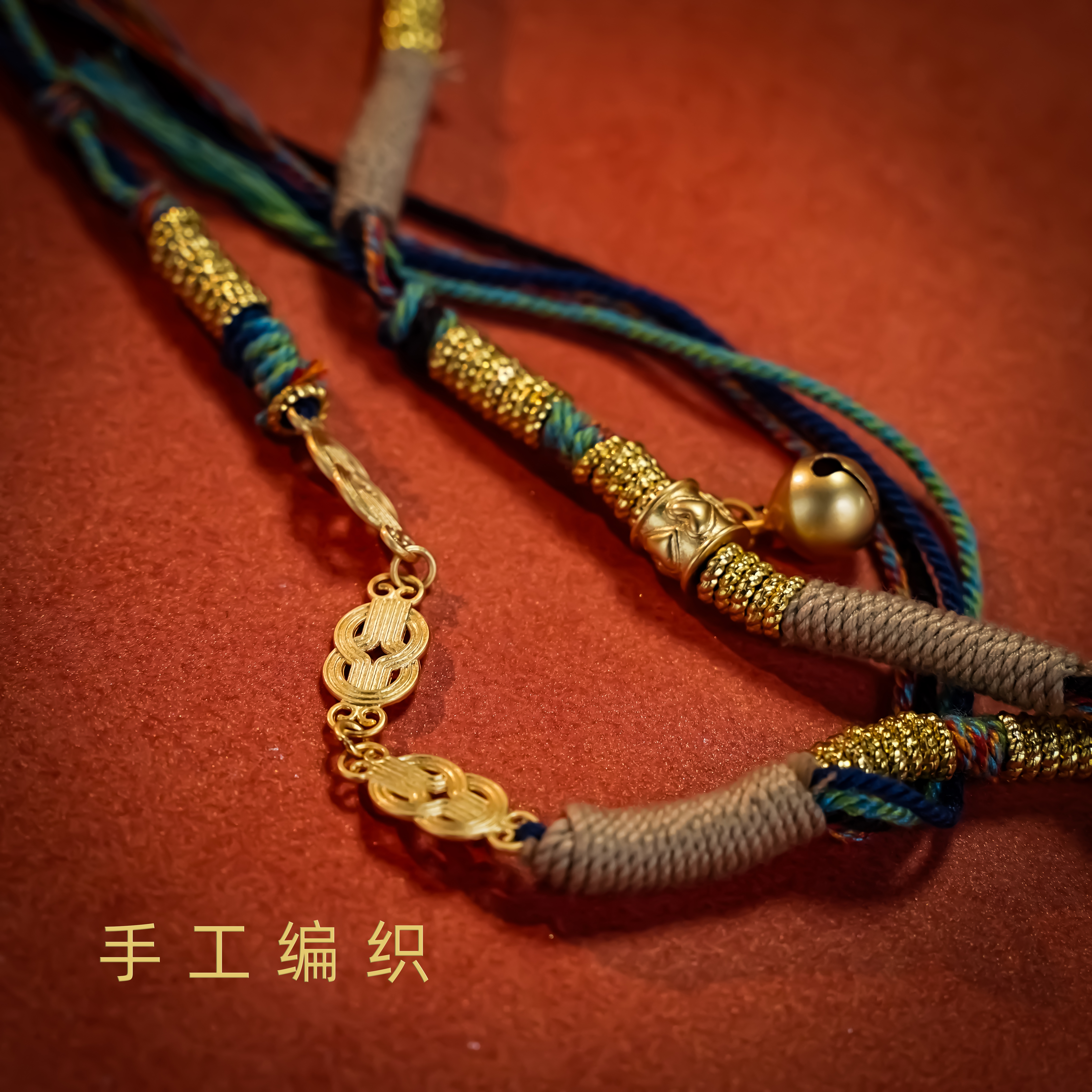
If you have ever felt drawn to a particular Buddhist deity without quite knowing why, the tradition of the Eight Zodiac Guardians — known in Chinese as Benming Fo (本命佛) — offers a gentle answer: you may already be connected to one by your year of birth.
This guide explains the tradition plainly, gives the complete zodiac-to-guardian map, introduces all eight bodhisattvas, and helps you choose a thangka gau pendant that genuinely fits you or someone you love.
What is a zodiac guardian Buddha?
In Chinese and Himalayan Buddhist folk tradition, each of the twelve zodiac animals is watched over by one of eight great bodhisattvas or buddhas. Because there are twelve animals and eight guardians, some guardians protect two signs.
The guardian is not a lucky charm in the superstitious sense. Followers understand it as a symbol of an awakened quality — compassion, wisdom, courage or steadiness — that the wearer is encouraged to cultivate. Carrying the image is a daily reminder of that quality.
You do not “win” a guardian by being born in a year — you are invited to remember the quality it represents.
The full zodiac-to-guardian map
Find your (or a loved one’s) birth year in the table, then follow the link to see the matching hand-painted pendant. Years below follow the lunar calendar; if you were born in January or early February, check the exact lunar new year date for your birth year.
| Zodiac | Birth years | Guardian | Core blessing |
|---|---|---|---|
| Rat | 1972 · 1984 · 1996 · 2008 | Thousand-Armed Avalokiteśvara | Compassion, being watched over |
| Ox | 1973 · 1985 · 1997 · 2009 | Ākāśagarbha | Wisdom, wealth, steady work |
| Tiger | 1974 · 1986 · 1998 · 2010 | Ākāśagarbha | Wisdom, wealth, steady work |
| Rabbit | 1975 · 1987 · 1999 · 2011 | Mañjuśrī | Wisdom, study, clear decisions |
| Dragon | 1976 · 1988 · 2000 · 2012 | Samantabhadra | Diligence, vows, harmonious action |
| Snake | 1977 · 1989 · 2001 · 2013 | Samantabhadra | Diligence, vows, harmonious action |
| Horse | 1978 · 1990 · 2002 · 2014 | Mahāsthāmaprāpta | Courage, focus, steady light |
| Goat | 1979 · 1991 · 2003 · 2015 | Maitreya | Warmth, tolerance, good fortune |
| Monkey | 1980 · 1992 · 2004 · 2016 | Maitreya | Warmth, tolerance, good fortune |
| Rooster | 1981 · 1993 · 2005 · 2017 | Vajrapāṇi | Protection, inner strength |
| Dog | 1982 · 1994 · 2006 · 2018 | Kṣitigarbha | Loyalty, care for family |
| Pig | 1983 · 1995 · 2007 · 2019 | Kṣitigarbha | Loyalty, care for family |
Meet the eight guardians
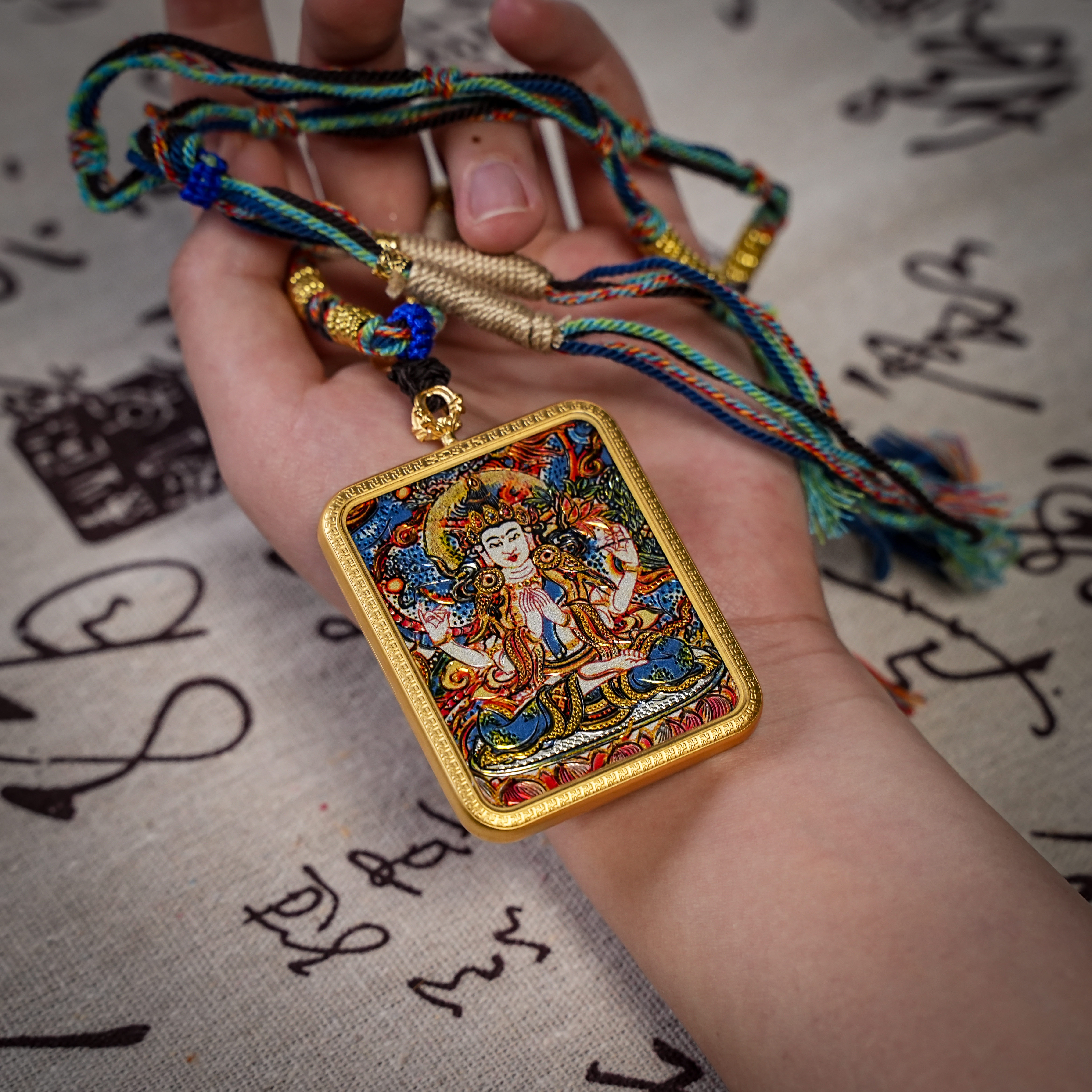
Thousand-Armed Avalokiteśvara
千手观音 · Guardian of the Rat
The thousand arms symbolise a compassion that reaches in every direction at once. A meaningful companion for anyone who cares for others, and the traditional guardian of those born in a Rat year.
See the pendant →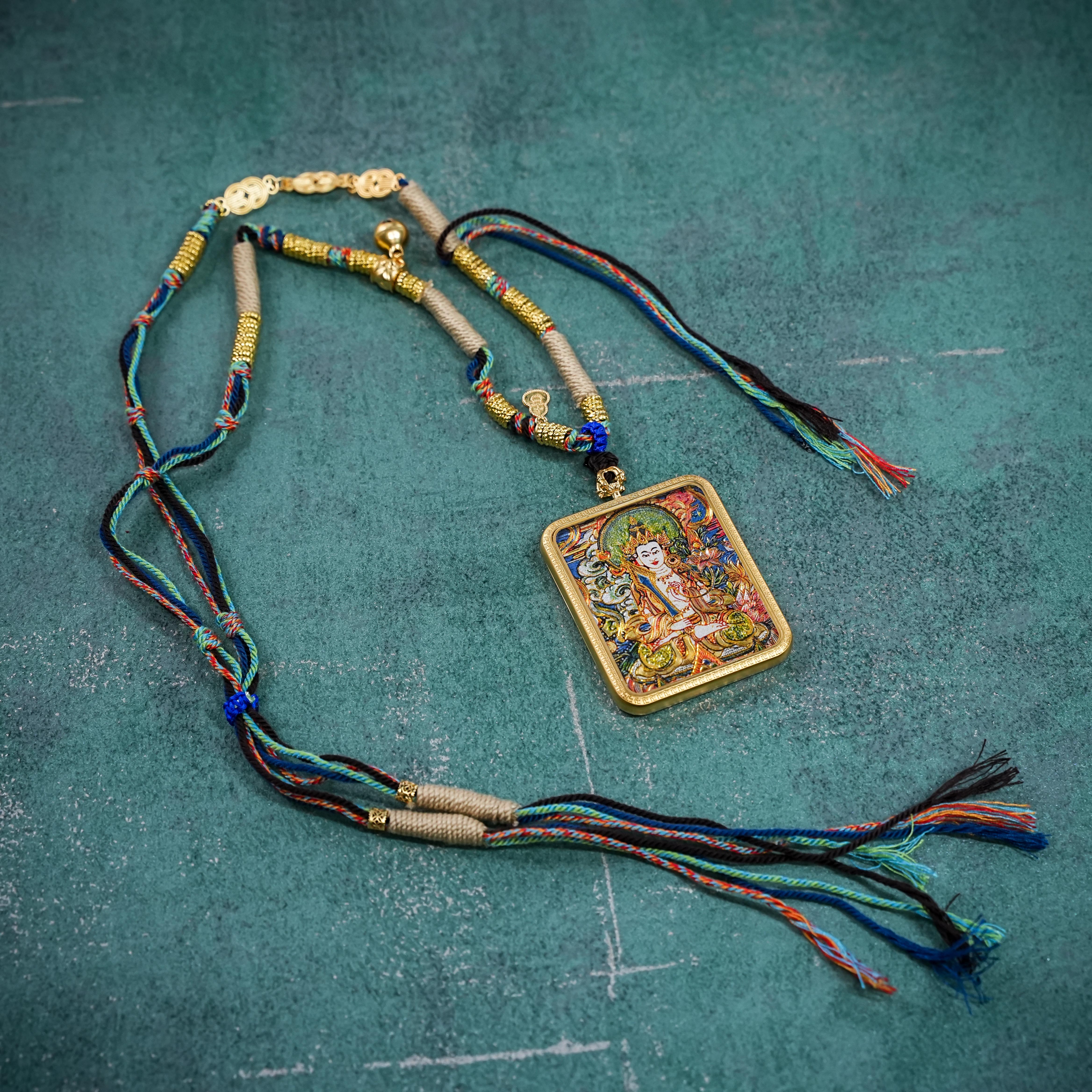
Ākāśagarbha Bodhisattva
虚空藏菩萨 · Guardian of the Ox & Tiger
His name means “womb of space,” associated with vast memory, intelligence and the prosperity that comes from patient work. He is the guardian of Ox and Tiger years.
See the pendant →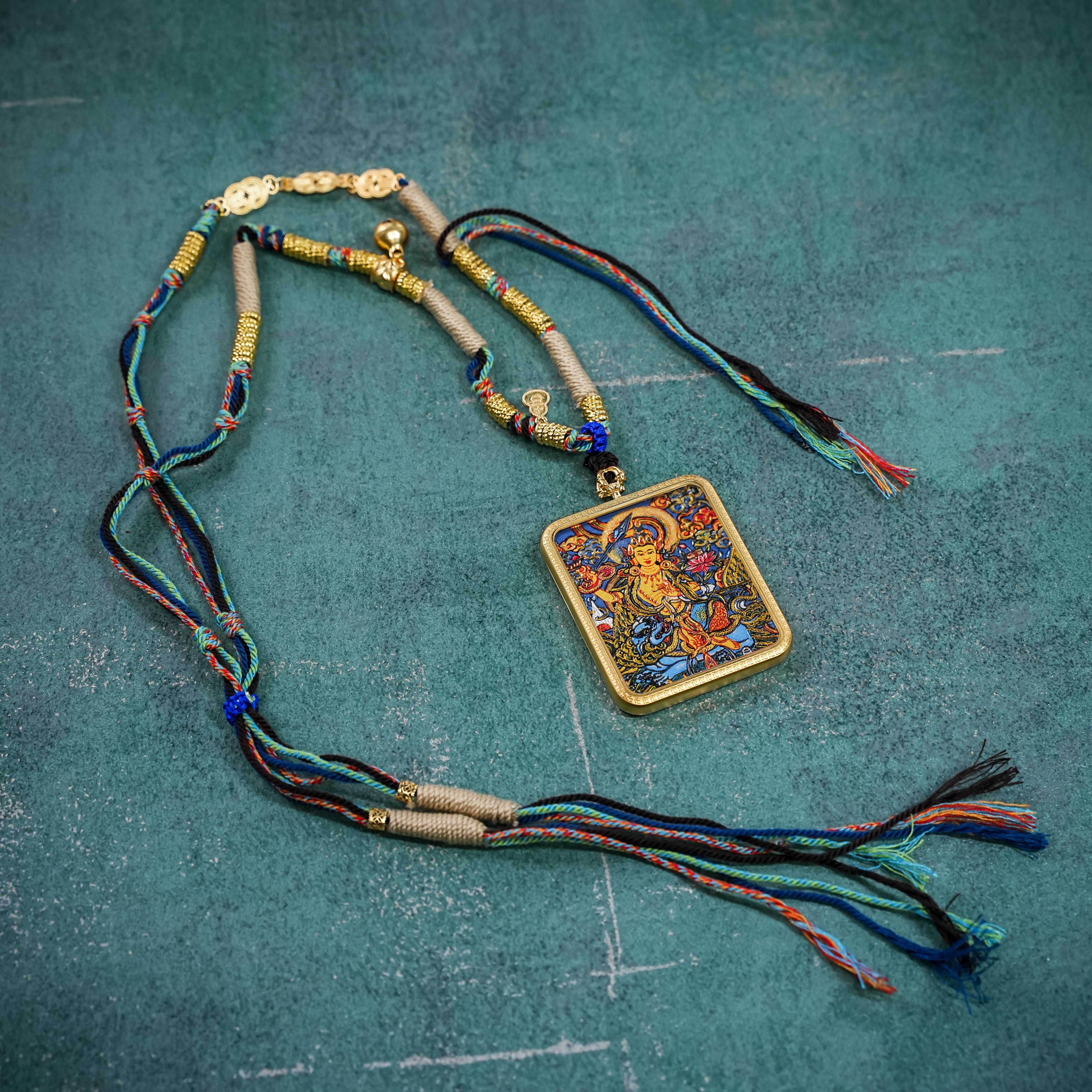
Mañjuśrī Bodhisattva
文殊菩萨 · Guardian of the Rabbit
Holding the flaming sword that cuts through confusion, Mañjuśrī is the bodhisattva of wisdom — a popular gift for students, exam-takers and anyone facing a big decision.
See the pendant →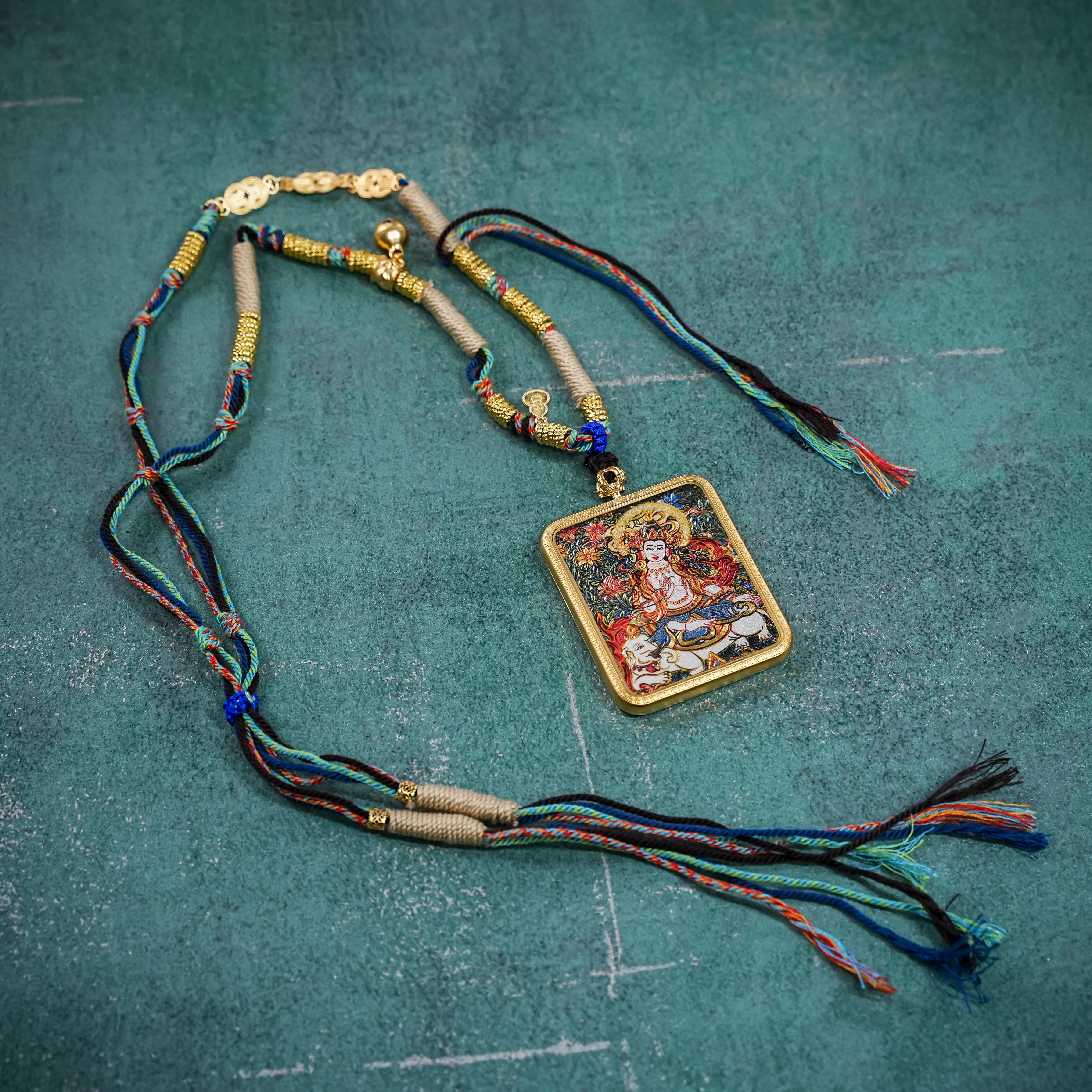
Samantabhadra Bodhisattva
普贤菩萨 · Guardian of the Dragon & Snake
Often shown riding a six-tusked elephant, Samantabhadra represents wisdom put into steady, gentle practice. He guards those born in Dragon and Snake years.
See the pendant →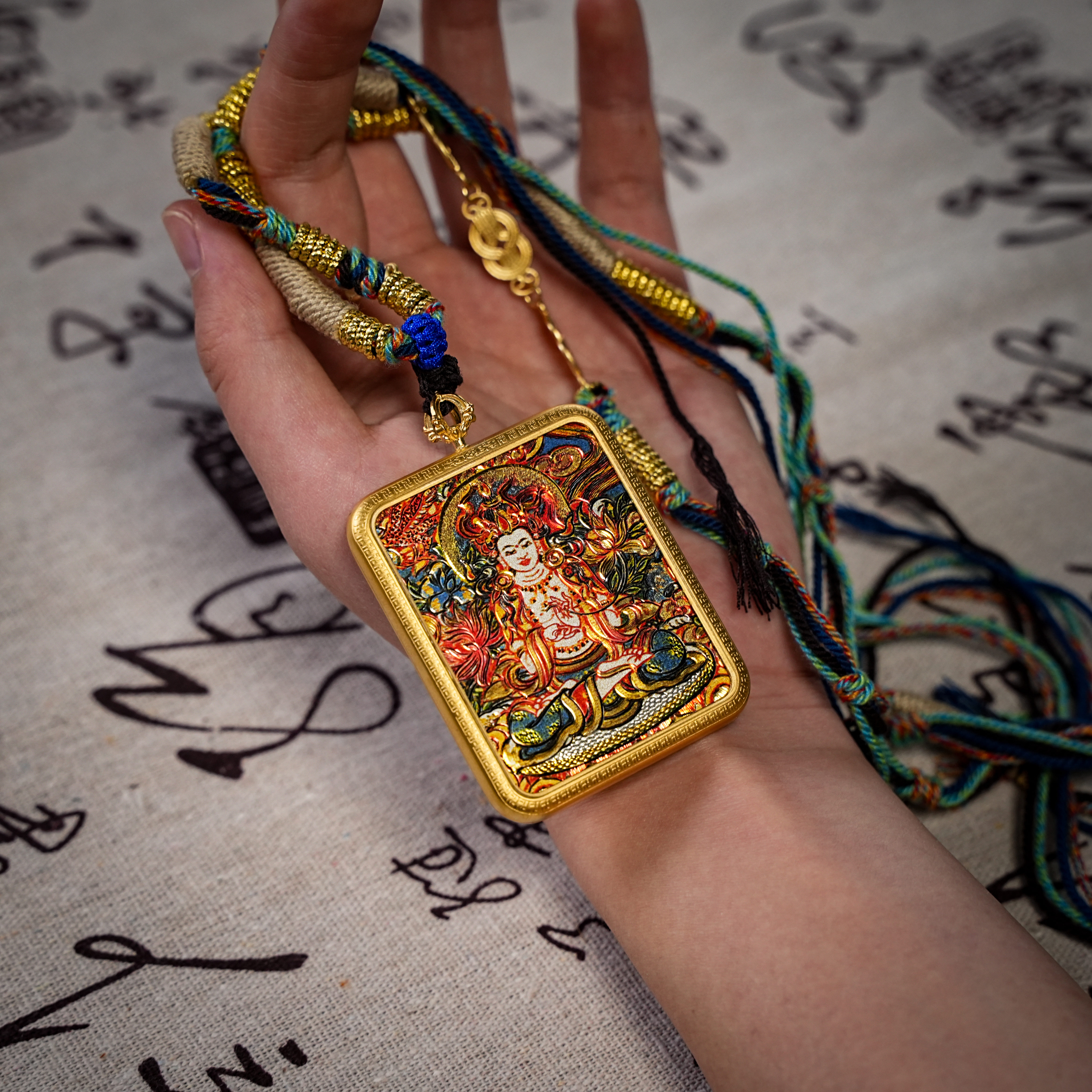
Mahāsthāmaprāpta Bodhisattva
大势至菩萨 · Guardian of the Horse
His name means “he who has obtained great strength.” Linked to the light of wisdom, he is a reminder of calm focus and quiet courage for those born in a Horse year.
See the pendant →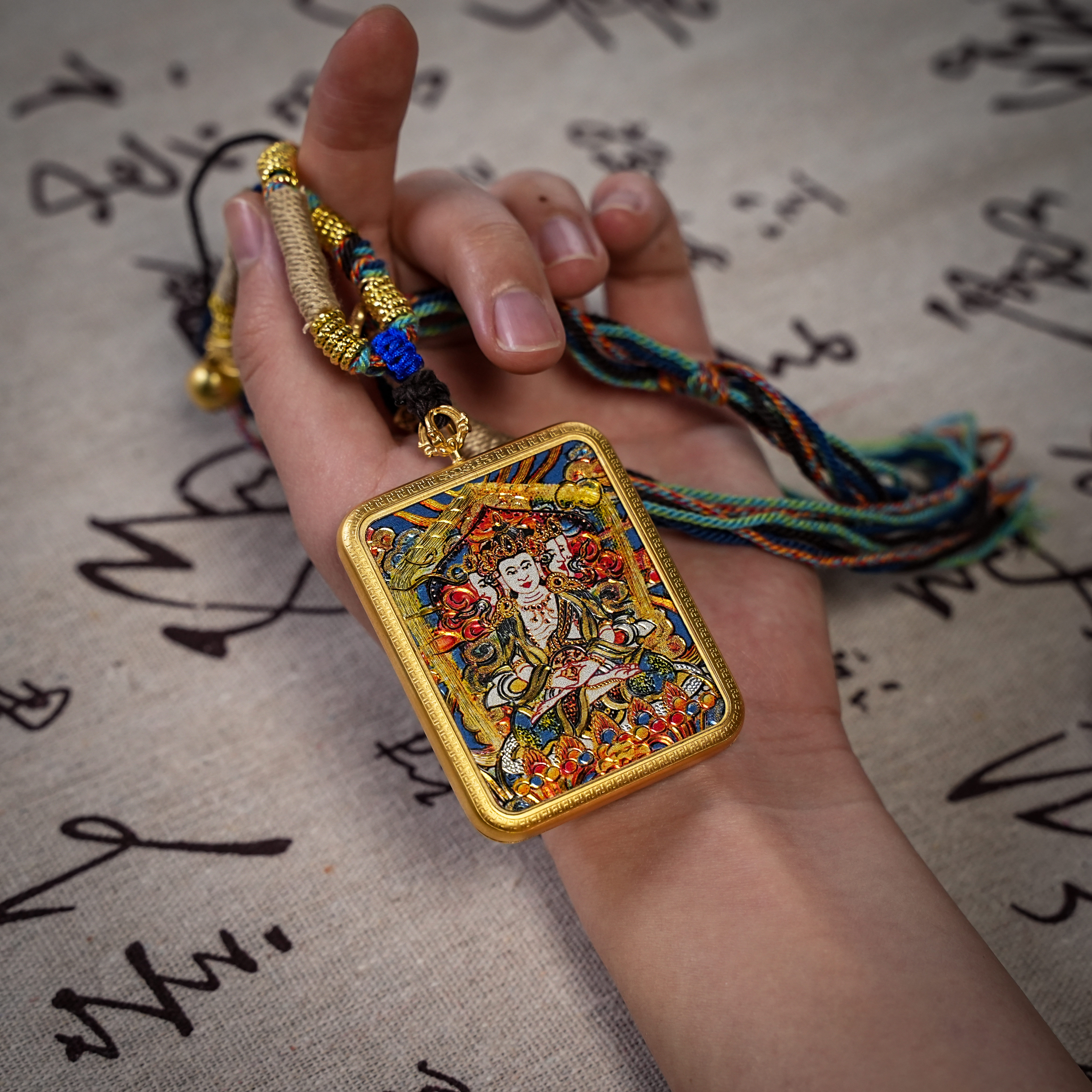
Maitreya Bodhisattva
弥勒菩萨 · Guardian of the Goat & Monkey
The future Buddha, depicted with a joyful, open heart. Maitreya represents loving-kindness, patience and optimism, and guards the Goat and Monkey years.
See the pendant →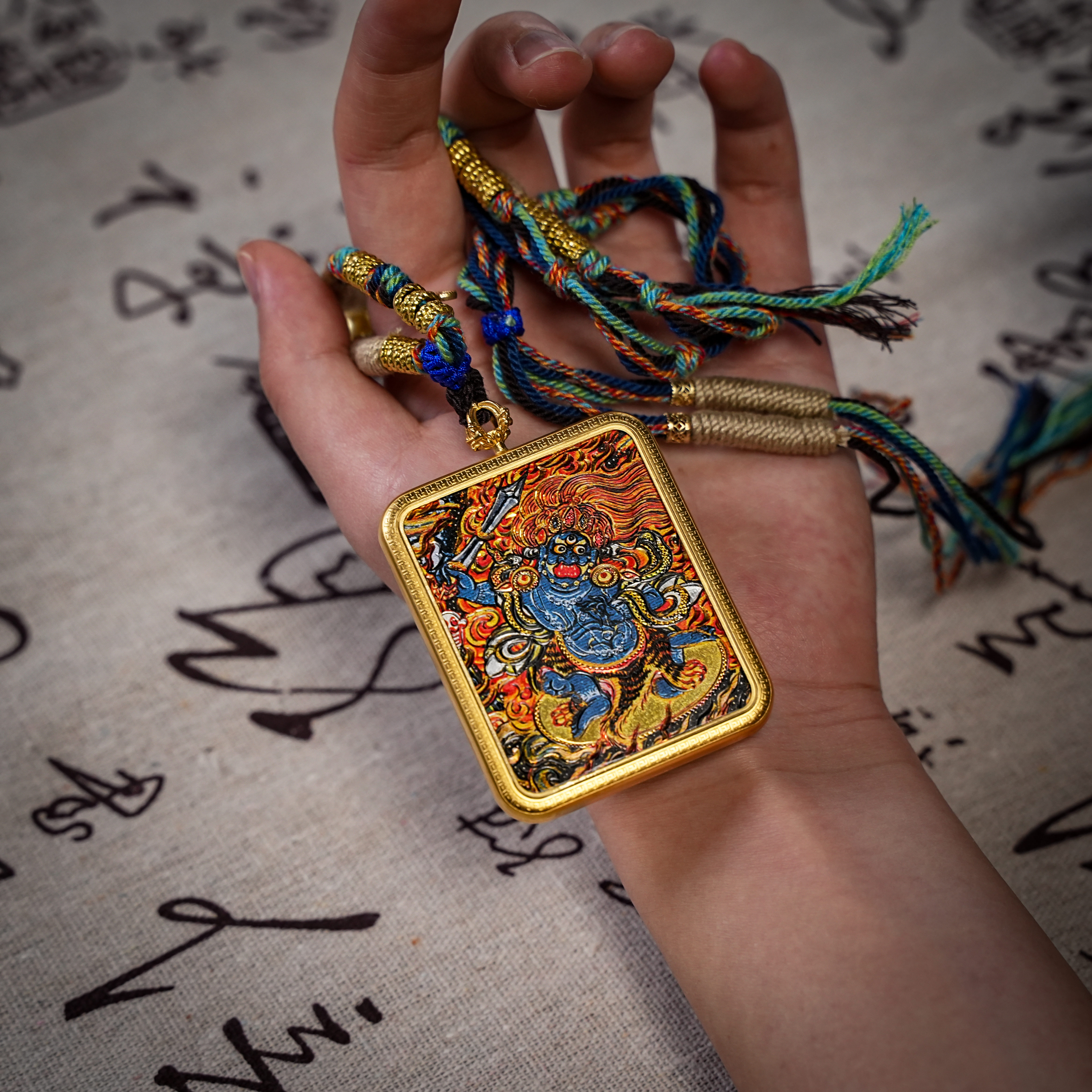
Vajrapāṇi Bodhisattva
金刚手菩萨 · Guardian of the Rooster
Holder of the thunderbolt, Vajrapāṇi embodies fearless energy and protection on the path — a steadying presence for those born in a Rooster year.
See the pendant →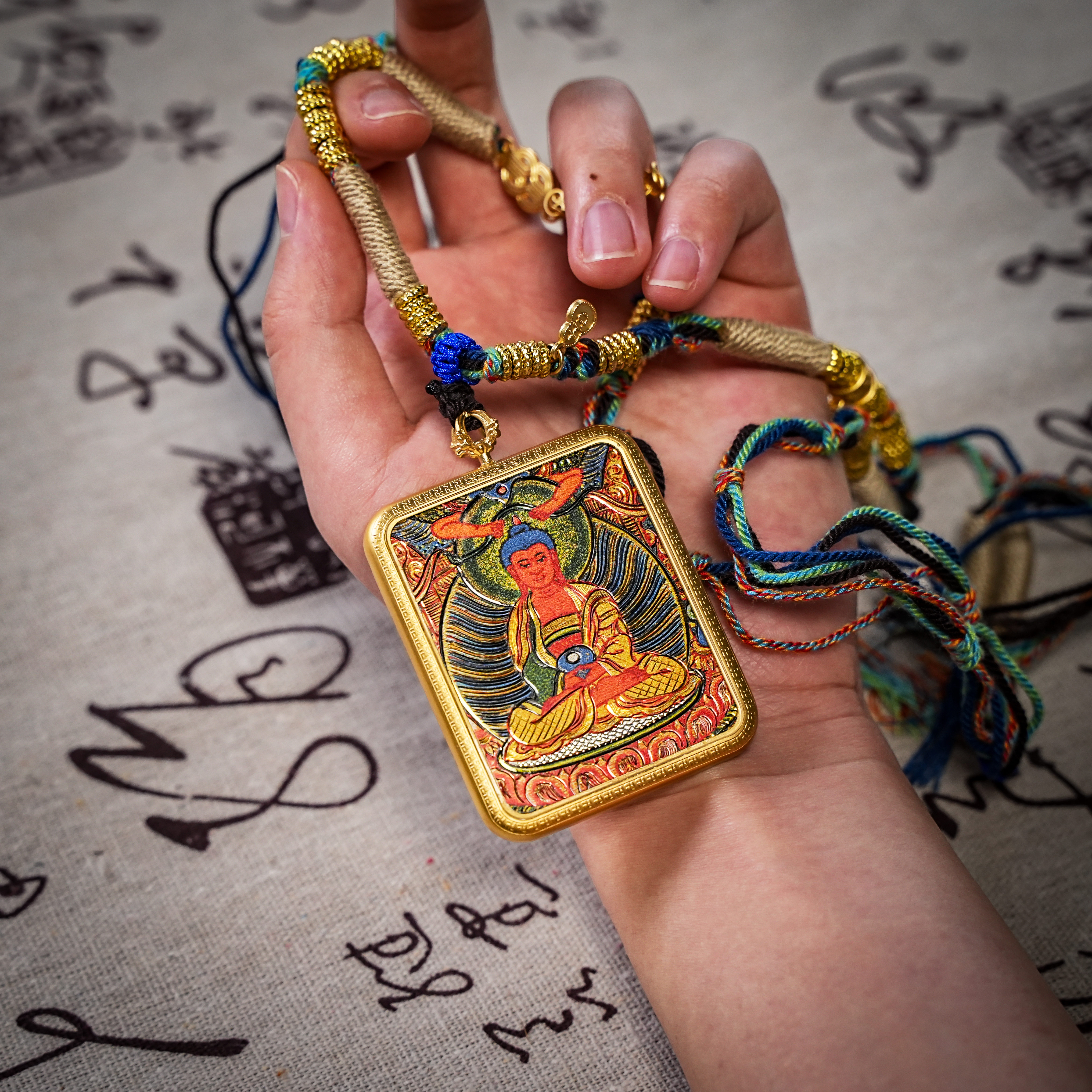
Kṣitigarbha Bodhisattva
地藏王菩萨 · Guardian of the Dog & Pig
Known for his vow to care for beings until no one is left behind, Kṣitigarbha is associated with devotion to family and comforting those we love — the guardian of Dog and Pig years.
See the pendant →How to choose: birth year, or something deeper?
Most people begin with their birth-year guardian, but the tradition is not rigid. In practice, people often choose in one of three ways:
- By birth year — the classic Benming Fo pairing, and a natural starting point.
- By the blessing you need now — Mañjuśrī for a year of study, Yellow Jambhala for a business venture, Green Tārā during a difficult passage.
- By quiet affinity — if one image repeatedly draws you, that connection is treated respectfully rather than over-explained.
When gifting, the recipient’s birth year is the safest and most personal guide; our gifting article includes wording for the blessing card.
See your guardian instantly
Pick a birth-year animal and the finder reveals your guardian, its meaning and its pendant.
Wearing and caring for your pendant
A gau is made to be worn, usually over the heart on its adjustable cord. A few simple habits keep it well:
- Keep it close, treat it gently. Avoid sleeping, bathing or vigorous exercise in it, and lay it somewhere clean rather than dropping it in a bag.
- Let brass age naturally. Soft darkening (patina) is normal and desirable; polish only the outside, gently, with a dry or very slightly damp cloth — never chemicals, and never open the sealed painting unnecessarily.
- Air the cord. The woven cord can be wiped lightly and left to air dry away from direct sun.
Full step-by-step care is in our pendant care guide.
Common questions
Can I wear a guardian that is not my birth-year one?
Yes. The birth-year pairing is the tradition, but choosing by the quality you wish to cultivate — or for a loved one — is common and respected.
Is it worship, or can anyone wear it?
People of any background wear thangka pendants as an expression of meaning, culture or simply beauty. The respectful approach is simply to treat the image with care.
Is the image really hand-painted?
Every selenecc pendant holds a genuinely hand-painted miniature thangka in a hand-engraved brass box — you can see the making process on our craftsmanship page.